

history
We were founded in 2004 by artists and activists involved in Palestine solidarity work and prison abolition creating a one-time festival,
and while our work and membership has changed over the years, our connection to community remains central to who we are.
Past festival guests have included Barry Jenkins, dream hampton, Jonathan Demme, Naomi Klein, Toshi Reagon,
Suheir Hammad, Wise Intelligent (of Poor Righteous Teachers), Sam Feder, Amy Scholder, Dean Spade, and many more brilliant artists and organizers.
Patois collective

Abdul Aziz
Abdul Aziz is a freelance photojournalist, filmmaker, and serial entrepreneur. For nearly two decades, he has worked to document conflict, war, social issues and culture spanning the globe from the Middle East and Africa to the far reaches of the Himalayas. His photos have been published by opinion leading news agencies worldwide. Most recently his work has focused on the rise of white nationalism in the United States and the removal of Confederate monuments in cities at the center of the debate, such as New Orleans and Charlottesville. Linktree

Jordan flaherty
Jordan Flaherty has produced fiction, documentary, and TV series, including producing episodes of Al Jazeera’s Emmy, Peabody and DuPont-award winning program Faultlines. He has also produced for Democracy Now; teleSUR, and several other outlets. He has worked as an editor and other production roles with a range of producers including Francis Ford Coppola, Michael Stipe, and Christine Vachon, including producing the award-winning independent feature film Chocolate Babies, recently added to the Criterion Collection, and the 2022 documentary Powerlands. You can see more of his work at jordanflaherty.org.

Shana m griffin
Shana M. griffin is a feminist activist, independent researcher, applied sociologist, artist, and geographer. Her practice is interdisciplinary and undisciplinary, working across the fields of sociology, geography, public art, and land-use planning and within movements challenging urban displacement, carcerality, reproductive control, and gender-based violence. She engages in research, organizing projects, and art practices that attend to the lived experiences of the black Diaspora—centering the particular experiences of black women most vulnerable to the violence of poverty, incarceration, polluted environments, reproductive legislation, economic exploitation, and housing discrimination. She’s the founder of PUNCTUATE, a feminist research, art, and activist initiative foregrounding the embodied aesthetics and practices of black feminist thought; and creator of DISPLACED, a multimedia and public history project that chronicles the institutionalization of spatial residential segregation through the violence of racial slavery and displacement in New Orleans.
Shana is also the co-producer of Sooner or Later, Somebody's Gonna Fight Back, a documentary and multimedia project on the Louisiana State Chapter of the Black Panther Party; collaborator with Gallery of the Streets, a global network of artists, activists, and scholars; and co-founder Jane Place Neighborhood Sustainability Initiative, the first community land trust in New Orleans.
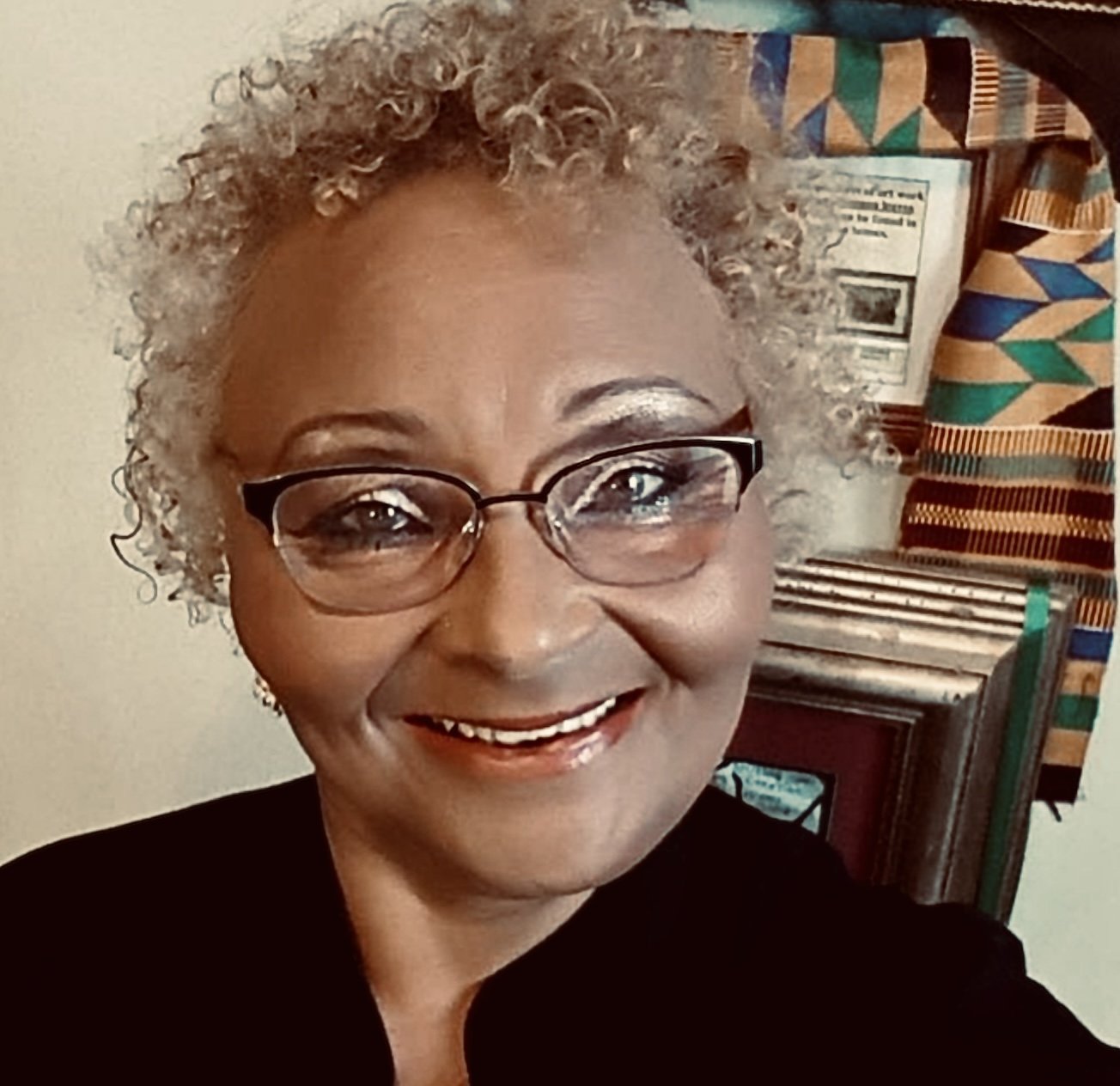
Darlene Joseph Jones
Darlene Joseph Jones has spent much of her life studying and learning the art and rewards of diplomacy, mediation, and walking in others’ shoes, instead of being short-sighted and judgmental. Her activism began at age 14, when she was part of the first class integrating Francis T. Nicholls High School (now Frederick A. Douglass High School). While a student at Nicholls, she worked with Black and white students to change the school mascot from a Rebel to a Bobcat. She was later the first female glazier in the state of Louisiana and the first tire mechanic at Sears. She is also a very active member of Voice of the Experienced (VOTE), Together New Orleans, and the drumming circle at Congo Square. More recently, her love of film led her to become a film reviewer for the New Orleans Film Festival. With PATOIS, she is now combining these passions.

emily faye ratner
Emily Faye Ratner is an organizer and mediamaker whose work focuses on state violence. A criminal defense and civil rights lawyer by training, she works within aligned organizations and coalitions to build freedom strategies and collective power. She has previously worked with organizations including Safe Streets Strong Communities, the Orleans Parish Prison Reform Coalition, New Orleans Palestine Solidarity (NOLAPS)., and Junebug Productions. She is a proud member of Voice of the Experienced (VOTE), Jewish Voice for Peace, the National Lawyers Guild, and the Louisiana Association of Criminal Defense Lawyers (LACDL).
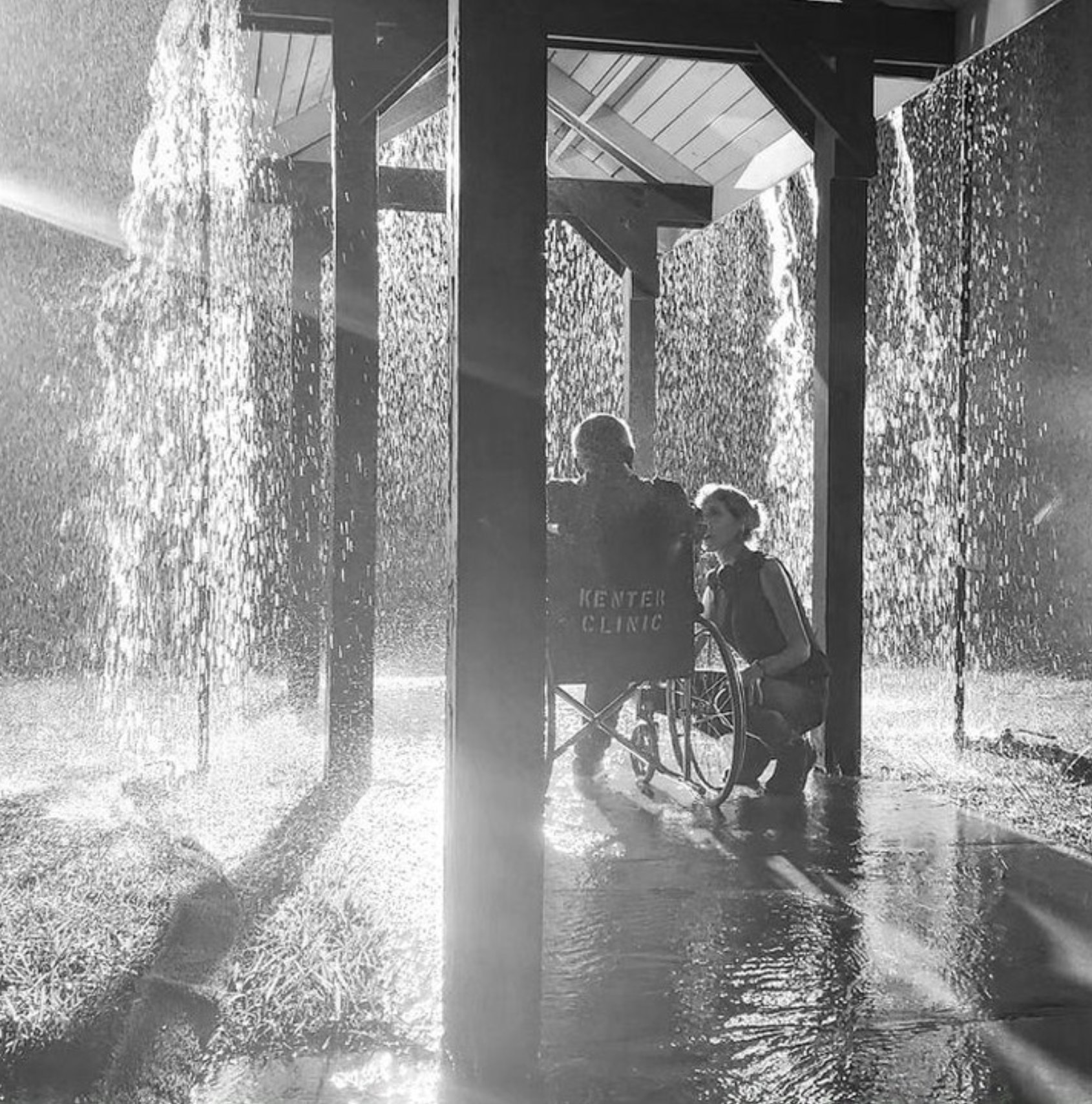
Abby Waters
Abby Waters is a child of the delta devoted to the communities and environment that have nourished her - the swamp. Morphing together her experiences as physical theater clown, film director, and movement teacher/therapist, her filmic practice revolves around engaging theater of the oppressed, community storytelling, and "play" to give voices, roles, and jobs to people impacted by the stories shared. In theater fashion, she believes that filmmaking should be a living process that is neither extractive nor subject to 'helicopter drop'-pish industry whims - but rather, powerfully and permanently exposes impediments to human rights, and provides sustainable, intentional change in communities impacted by production process and exhibition. She is particularly interested in philosophies of créolité and devotes much of her practice to sharing with other creole cultures, especially with work in Ayiti. More about her work is at www.abbywatersproduction.com
Acknowledgment of the Indigenous Land & African Burial Grounds
The New Orleans International Human Rights Film Festival takes place on the lands of Indigenous peoples—a place referred to in Chahta (Choctaw) and Mobilian Jargon trading languages as Bvlvancha, meaning “Place where many languages are spoken” or “Place of many tongues.”
Situated at the confluence of waterways, wetlands, trading routes, and economic exchanges, this region was subjected to the violence of conquest, land thief, and racial slavery to make way for a carceral landscape and colonial enterprise called New Orleans—a city built by and on the bodies, flesh, and blood of enslaved Africans and their descendants.
We acknowledge the Indigenous nations that inhibit these lands, the African burial grounds upon which the City of New Orleans stands, and the ongoing forms of resistance, actions, and relations taken up by activists, scholars, artists, and cultural bearers to decolonize the land.
As a justice-centered collective accountable to the Black and Indigenous communities that make our work possible, PATOIS stands in solidarity with Indigenous peoples locally and globally, Black liberation struggles throughout the Diaspora, and with anti-imperialist and anti-fascist resistance movements, recognizing that the decolonization of Indigenous land—be it in New Orleans, Palestine, Sudan, Congo, Brazil, or on colonial borders—is central to all movements for liberation.
- Shana M. griffin